
HOUSE OF HEALTH
House of Health is a local physical business located in Warren, Michigan inside the County Line Trade Center. We carry Chinese herbs, multivitamins, Watkins products and more.



Healthy Living
Carb That Spikes Blood Sugar Faster Than Sugar
Most people worry about sugar when it comes to blood sugar. However, there is a carb that spikes blood sugar even faster than table sugar—and most people eat it every single day without realizing it.
It is not candy.
It is not soda.
And it often does not appear as “sugar” on nutrition labels.
This hidden carb is so refined that your body absorbs it almost instantly. As a result, it can trigger sharp insulin spikes, energy crashes, cravings, and long-term metabolic problems. Understanding what this carb is—and where it hides—can make a real difference for your health.
What You’ll Learn
- What the carb that spikes blood sugar actually is
- Why it raises glucose faster than sugar
- How it impacts insulin, fat storage, and gut health
- Where it hides in “healthy” foods
- How to spot it on ingredient labels
The Hidden Carb That Hits Your Bloodstream Like Sugar
The carb that spikes blood sugar faster than sugar is maltodextrin.
Maltodextrin is a highly processed carbohydrate made from corn, rice, potato, or wheat starch. Although it sounds complex, your body treats it very simply. It breaks down into glucose almost immediately after consumption.
Unlike table sugar, which contains both glucose and fructose and requires some processing, maltodextrin is already broken into glucose chains. Therefore, it enters your bloodstream rapidly, causing a sharp rise in blood sugar levels.
Why Maltodextrin Spikes Blood Sugar So Fast
- It has a glycemic index higher than table sugar
- It requires little to no digestion
- It is absorbed rapidly in the small intestine
- It delivers glucose to the bloodstream almost immediately
Because of this, many experts consider maltodextrin one of the most aggressive blood-sugar-raising carbohydrates commonly consumed today.
From Insulin Spikes to Energy Crashes
When blood sugar rises quickly, insulin must respond just as fast. First, insulin works to move glucose out of the bloodstream and into cells. However, repeated spikes can overwhelm this system.
As a result, many people experience:
- Sudden energy crashes
- Increased hunger shortly after eating
- Strong sugar and carb cravings
- Difficulty maintaining stable energy levels
Over time, frequent insulin spikes may contribute to insulin resistance, making it harder for the body to manage blood sugar effectively.
The Link to Fat Storage
Excess glucose that is not used for immediate energy is often stored as fat. Notably, repeated insulin spikes tend to promote visceral fat, the dangerous type of fat that accumulates around internal organs.
Visceral fat is strongly associated with:
- Type 2 diabetes
- Heart disease
- Chronic inflammation
- Metabolic syndrome
Therefore, avoiding the carb that spikes blood sugar can help support healthier body composition over time.
How This Carb Affects Gut Health and Inflammation
The effects of maltodextrin extend beyond blood sugar. Research suggests that this refined carb can disrupt gut health by feeding harmful bacteria while starving beneficial microbes.
This imbalance may:
- Increase gut inflammation
- Weaken the gut barrier
- Promote digestive discomfort
- Contribute to systemic inflammation
In addition, inflammation is closely linked to insulin resistance and cardiovascular risk. Some studies also associate frequent consumption of refined carbs with higher levels of small dense LDL cholesterol, a form considered more harmful to heart health.
Why It’s Marketed as “Zero Sugar”
One of the biggest reasons this carb flies under the radar is labeling.
Maltodextrin often appears in foods marketed as:
- “Zero sugar”
- “No added sugar”
- “Low sugar”
Because it is technically a starch, manufacturers do not have to label it as sugar. However, your body does not recognize this distinction. Metabolically, it behaves very much like pure glucose.
Where You’ll Commonly Find It
You may be surprised to see how often maltodextrin appears in everyday foods, including:
- Gluten-free packaged foods
- Protein powders and meal replacements
- Sports drinks and electrolyte mixes
- Baby formula
- “Healthy” snack bars
- Low-fat and fat-free products
It is inexpensive, shelf-stable, and heavily subsidized, which makes it attractive to food manufacturers as a filler and texture enhancer.
This Is Not Your Grandmother’s Starch
Traditional starches, such as potatoes or rice cooked at home, contain fiber and complex structures that slow digestion. In contrast, maltodextrin is factory-engineered to be rapidly absorbed.
As a result, your metabolism responds very differently.
To learn more about how refined carbs impact metabolic health, see our guide on hidden sugars in packaged foods.
For additional scientific background, the Harvard T.H. Chan School of Public Health provides an overview of refined carbohydrates and blood sugar effects.
How to Spot It on Labels
Knowing the names matters. Look for:
- Maltodextrin
- Modified food starch
- Modified corn starch
If these appear near the top of the ingredient list, the product likely contains a carb that spikes blood sugar quickly—even if the label claims it is sugar-free.
High Protein Snacks That Keep You Full
If you’re always hungry—even after you snack—you’re probably not eating enough high-protein foods.
Most snack options are built around carbs. They spike your energy quickly. Then, just as fast, they drop it. The result? Cravings, brain fog, and grazing all afternoon.
For busy professionals over 40, this cycle can feel constant. However, the solution is simpler than you think. When you build snacks around high protein, hunger becomes stable, predictable, and manageable.
What You’ll Learn
- Why high-protein snacks reduce cravings
- How protein stabilizes energy after 40
- Six simple high-protein snacks that require little prep
- How to build smarter snack habits for busy workdays
Why High Protein Snacks Matter More After 40
After 40, metabolism naturally shifts. Muscle mass slowly declines, and insulin sensitivity can decrease. Therefore, blood sugar swings hit harder than they did in your 20s.
Most common snacks — crackers, granola bars, muffins, fruit-only options — are mostly carbohydrates. First, they digest quickly. Next, blood sugar rises. Then, insulin follows. Finally, energy crashes and hunger returns.
High protein snacks work differently.
Protein digests more slowly. It increases satiety hormones and reduces ghrelin, the hormone that drives hunger. As a result, you stay full longer and experience fewer energy dips.
For busy professionals, this matters. Stable energy means clearer thinking, better decisions, and less mindless eating at 3 PM.
The Simple Rule
Build every snack around a protein source first.
Carbs and fats can support it — but protein leads.
Six High Protein Snacks That Actually Keep You Full
These options are simple, portable, and realistic for demanding schedules.
1. Hard-Boiled Eggs
Cheap. Portable. Underrated.
Two eggs provide roughly 12 grams of high-quality protein plus healthy fats. Together, they slow digestion and blunt cravings quickly.
Keep a batch in your fridge at the start of the week. Add salt, pepper, or hot sauce. Done.
2. Turkey Roll-Ups
Wrap sliced turkey around cheese like Swiss or provolone.
This combination delivers protein plus fat, creating stable energy without a blood sugar spike. It’s essentially a mini meal disguised as a snack.
Busy day? Pair it with sliced cucumbers or bell peppers for extra volume.
3. Cold Leftover Chicken
Simple. Effective. Often overlooked.
Cold chicken straight from the fridge may not feel exciting. However, it works.
Three to four ounces provide 20+ grams of high protein. That amount significantly reduces the urge to graze later.
4. Canned Fish
Tuna. Sardines. Salmon.
Shelf-stable. Zero prep. Extremely nutrient-dense.
Canned fish delivers high protein plus omega-3 fats, which support heart and brain health — especially important after 40. Add mustard, olive oil, or hot sauce and eat it directly or over sliced vegetables.
For professionals who travel or work long hours, this is one of the most reliable options available.
5. Portion-Controlled Nuts (Plant-Based Option)
Almonds. Macadamias. Walnuts.
Nuts contain moderate protein and healthy fats. While they are calorie-dense, they can be effective when portioned properly.
Pre-portion a small bag. Not the entire container.
This prevents accidental overeating while still providing a steady source of energy.
6. Celery with Nut Butter or Blue Cheese Dressing
Crunchy. Satisfying. Surprisingly filling.
The fiber in celery combined with the protein and fat from nut butter or blue cheese dressing creates volume plus satiety. It’s simple, portable, and practical for office environments.
Problem: Constant Hunger at Work
Solution: Shift to High-Protein Snacks
Many busy professionals assume their hunger is a discipline issue. It’s not.
It’s often a structure issue.
Instead of relying on willpower, shift the foundation of your snacks.
When you prioritize high protein first, hunger becomes controlled rather than chaotic.
How Much Protein Should a Snack Contain?
For busy professionals over 40, aim for:
- 15–25 grams of protein per snack
- Pair with fiber or healthy fat
- Keep total calories aligned with your daily needs
This amount meaningfully impacts hunger hormones and supports muscle preservation.
If your snack contains less than 5 grams of protein, it’s likely a carb snack — even if marketed as “healthy.”
Practical Grocery Shopping Strategy
Next time you shop, start in the protein aisle.
Add:
- Eggs
- Pre-cooked chicken
- Sliced turkey
- Canned tuna or salmon
- Cheese blocks or slices
- Raw nuts (unsalted)
Then build outward from there.
When protein is available and visible in your fridge, better decisions happen automatically.
The Bottom Line
If you’re constantly hungry, it’s not a willpower failure.
It’s usually a protein gap.
By building snacks around high protein foods, you stabilize energy, reduce cravings, and stay in control—even during demanding workdays.
For busy professionals over 40, simplicity wins. You don’t need complicated recipes. You need structure.
Start with protein.
Keep it portable.
Keep it consistent.
Call to Action
If you want more practical, science-backed strategies for sustainable nutrition after 40, explore more resources from House of Health and stay ahead of your energy, metabolism, and performance goals. Sign up for our newsletter.
Fiber and Cravings: Why Hunger Isn’t a Willpower Problem
If your cravings feel loud, urgent, and nonstop, it’s easy to assume something is wrong with you. Most people blame willpower or discipline. But the truth is simpler — and far more empowering.
Your body isn’t weak.
It’s likely not fueled the right way.
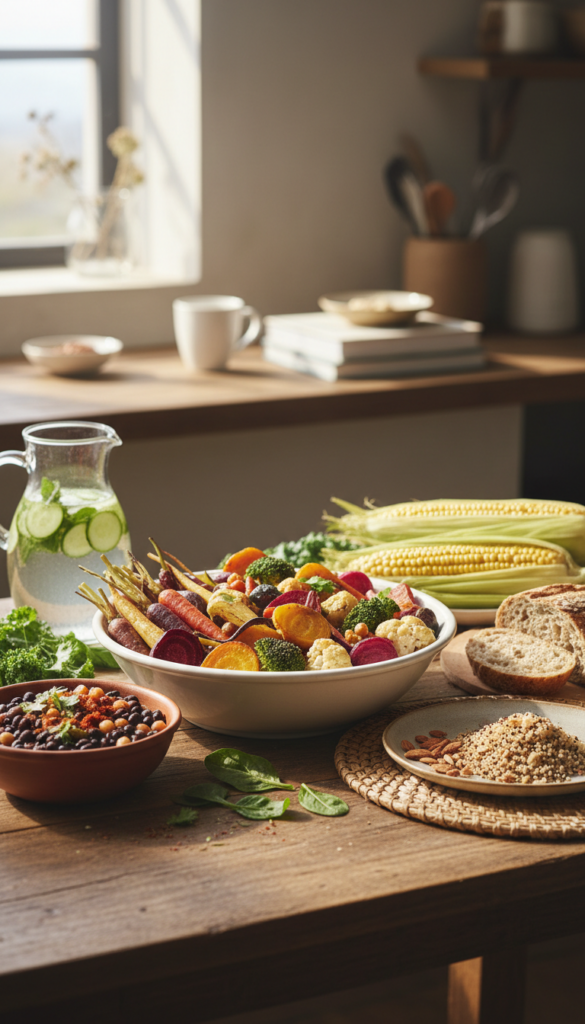
This is where fiber and cravings intersect in a powerful way. When fiber is missing from your diet, hunger signals get chaotic. When fiber is present, cravings calm down naturally — without restriction or guilt.
What You’ll Learn
- Why cravings aren’t a self-control issue
- How fiber keeps you full longer
- The connection between fiber and blood sugar stability
- How gut bacteria influence hunger signals
- Why adding fiber feels easier than dieting
Why Cravings Feel So Intense
Cravings don’t come out of nowhere. They’re biological signals driven by digestion speed, blood sugar swings, and hormones that regulate appetite.
When meals digest too quickly, your stomach empties fast. As a result, hunger hormones spike, blood sugar drops, and your brain sends a loud message: Eat now.
Highly processed, low-fiber foods make this cycle worse. They digest rapidly, spike blood sugar, and trigger crashes that create urgent cravings — especially for sweets and refined carbs.
How Fiber Changes Hunger Signals
Fiber works differently from most nutrients. It isn’t fully digested. Instead, it absorbs water and swells in your stomach.
First, this slows digestion, helping food stay in your stomach longer.
Next, it increases physical fullness, so meals feel more satisfying.
Therefore, your brain doesn’t receive panic signals to eat again soon.
This steady digestion is one of the main reasons fiber and cravings are so closely linked.
Fiber and Blood Sugar Stability
One of fiber’s biggest benefits is its effect on blood sugar.
When you eat fiber with meals:
- Glucose enters the bloodstream more slowly
- Blood sugar rises gently instead of spiking
- Energy levels remain steady
Without spikes and crashes, the sudden urge for sweets fades. This is why many people notice fewer cravings simply by increasing fiber — without cutting calories.
Your Gut Plays a Bigger Role Than You Think
Inside your digestive system live trillions of bacteria that influence appetite, mood, and metabolism. Fiber is their main fuel source.
When gut bacteria ferment fiber, they release compounds that:
- Increase satiety hormones
- Reduce inflammation
- Send calming signals to the brain
In simple terms, fiber tells your body, “We’re good.”
Less internal chaos leads to more stable hunger cues and fewer impulsive food urges.
Why Fiber Helps Without Feeling Restrictive
Fiber-rich foods naturally take longer to chew and fill more space on your plate. They provide volume without excessive calories.
Examples include:
- Vegetables
- Beans and lentils
- Whole grains
- Berries and fruit with skin
Because these foods are satisfying, you feel full sooner — and stay full longer. That’s why focusing on fiber doesn’t feel like dieting. It feels supportive.
If you want a deeper look at how fiber supports metabolic health, this guide from Harvard T.H. Chan School of Public Health explains the science clearly:
https://www.hsph.harvard.edu/nutritionsource/carbohydrates/fiber/
You may also find it helpful to explore our guide on balanced meals for blood sugar control, which pairs fiber with protein and fats for lasting fullness.
Cravings Aren’t a Character Flaw
Cravings are not a sign of failure. They are feedback.
Often, they point to a missing nutrient — not a lack of discipline. When fiber intake increases, hunger signals smooth out. The constant mental noise around food gets quieter.
Add fiber, and cravings stop running the show.
Be sure to sign up for our newsletter for updates from our blog HERE.
Eat Fiber and Protein First: The Simple Dinner Trick for Better Blood Sugar
If you struggle with post-meal crashes or unpredictable energy swings, the way you’re eating dinner might be to blame. And it’s not about what you’re eating — it’s about when. A surprisingly simple metabolic strategy, known as meal sequencing, shows that when you eat fiber and protein first, your body experiences far more stable blood sugar. This one shift can flatten glucose spikes, reduce cravings, and help you feel energized instead of exhausted after dinner.
What You’ll Learn
- Why meal order dramatically affects your blood sugar
- The science behind eating fiber and protein first
- How to sequence your meals step-by-step
- A real-life comparison of two identical dinners
- How to start using this method tonight
Why Meal Sequencing Matters for Blood Sugar Stability
First, let’s get clear on the problem: many “healthy” meals still trigger a big glucose spike. Even balanced plates — like grilled chicken, vegetables, and rice — can leave you tired, foggy, and craving dessert an hour later.
However, studies show that when you Eat Fiber And Protein First, glucose enters your bloodstream far more slowly. Your pancreas releases less insulin, and instead of a rollercoaster rise and crash, your blood sugar stays smooth and steady.
This matters because chronic spikes contribute to fatigue, stubborn weight gain, inflammation, and insulin resistance. By simply changing the order you eat your food, you can support your metabolism without cutting out carbs entirely.
Why This Works
- Fiber slows gastric emptying, creating a “gel-like” buffer in the gut.
- Protein triggers satiety hormones, especially GLP-1, which reduces hunger and slows digestion.
- Carbs eaten last digest more slowly, blunting the glucose surge.
This means better energy, fewer cravings, and greater metabolic control — without restricting entire food groups.
Step 1: Eat Fiber First to Build Your Metabolic Shield
When you begin your meal with fiber — especially non-starchy vegetables — you set up a protective barrier that changes how your entire dinner is absorbed. Think of it like placing a mesh filter over your digestive “drain.” Carbs still go through, but at a much more reasonable pace.
Easy Ways to Start With Fiber
- A simple side salad with vinegar
- Steamed or roasted broccoli
- Sautéed spinach
- Raw carrots or cucumbers while cooking
- A bowl of vegetable soup
Why It Works
Fiber forms a viscous layer in your gut. This slows the movement of food from your stomach into your intestines, which in turn slows glucose absorption. You’ll feel fuller, more satisfied, and better prepared for the rest of your meal.
Step 2: Eat Protein and Healthy Fats Next
After your fiber starter, move on to the main part of your meal: protein and fats. This includes chicken, salmon, tofu, eggs, steak, lentils, avocado, olive oil, or nuts.
Protein and fat work together to keep digestion slow, steady, and controlled. They also trigger GLP-1, the same hormone targeted by popular weight-loss medications — but your body produces it naturally when you eat in the right order.
Benefits of This Step
- Prolonged fullness
- Higher, more stable energy levels
- Better muscle support (important for glucose metabolism)
- Reduced desire to overeat carbs
Step 3: Save Carbs for Last — And Enjoy Them More
Finally, enjoy your carbs. Yes, enjoy them. Carbs are not the enemy — they’re just best eaten after your fiber and protein.
By the time you get to your bread, rice, potatoes, or pasta, your digestive system is already primed to handle them slowly. Instead of a glucose flood, you get a gentle trickle. Most people find they crave fewer carbs and feel far more satisfied this way.
A Tale of Two Identical Dinners
Let’s compare two people eating the same exact plate: chicken, broccoli, and rice.
Person A eats the rice first. Their blood sugar surges, insulin spikes, and an hour later they crash — tired, foggy, and craving sugar.
Person B eats broccoli first, then chicken, then rice. Their blood sugar rises slowly and evenly. No crash, no cravings, just steady energy.
Research from Weill Cornell Medical College shows that eating vegetables and protein before carbs reduced post-meal glucose levels by 29% at 30 minutes and 37% at 60 minutes — even though the meal was identical.
Small change, massive effect.
The Simple Framework You Can Use Tonight
To apply this method at dinner, remember the sequence:
- Veggies first – build your fiber shield.
- Protein + fats second – activate fullness hormones.
- Carbs last – keep glucose steady and stable.
This strategy costs nothing, requires no complicated meal prep, and gives you immediate feedback. Most people notice better energy after just one dinner.
Try It for One Week — And Feel the Difference
If you’re ready to avoid the post-dinner slump and take control of your blood sugar naturally, try this method every night for seven days. Pay attention to how you feel an hour after you eat. Chances are, you’ll be surprised by how big a difference such a small shift can make.
Foods That Heal Leaky Gut: Top Natural Foods to Try
If you’re struggling with bloating, fatigue, food sensitivities, or stubborn digestive issues, adding foods that heal leaky gut to your daily routine can be a game changer. In this guide, you’ll learn exactly which foods help repair your gut lining and how to use them for long-term healing.
What You’ll Learn
- The top foods proven to support gut repair
- How each food supports the intestinal lining
- Simple ways to add these foods into your diet
- What to avoid when healing leaky gut
The Best Foods That Heal Leaky Gut
When your gut lining becomes weakened or inflamed, the right nutrition can help repair the damage. Below are the top healing foods to add to your daily routine.
1. Bone Broth
Bone broth is rich in collagen, gelatin, and amino acids like glutamine. These nutrients strengthen the intestinal lining and soothe inflammation.
- Drink 8 oz twice a day
- Use as a base for soups or slow-cooked meals
- Choose organic or homemade for the highest nutrient density
2. Kefir or Fermented Yogurt
Fermented dairy introduces beneficial bacteria that help rebalance the gut microbiome. First, probiotics crowd out harmful bacteria. Next, they support stronger digestion and better nutrient absorption.
- Choose unsweetened coconut or dairy-based versions
- Add to smoothies or enjoy with berries
- Start with a small serving if you’re sensitive to dairy
3. Fermented Vegetables
Sauerkraut, kimchi, and pickled veggies deliver natural probiotics. They also contain enzymes that support easier digestion.
- Add 1–2 tablespoons with meals
- Look for refrigerated, unpasteurized versions
- Rotate between different types for diverse bacteria
4. Coconut Oil
Coconut oil is rich in medium-chain fatty acids (MCFAs). These healthy fats are antimicrobial and help balance harmful bacteria in the gut.
- Use as a cooking oil
- Add to oatmeal, smoothies, or herbal teas
- Begin with 1 teaspoon daily and increase slowly
5. Wild-Caught Fish

Wild salmon, sardines, and trout are anti-inflammatory and rich in omega-3 fats. These fats help calm inflammation, which is essential for healing the gut lining.
- Aim for 2–3 servings per week
- Bake or broil for best nutrient retention
- Pair with steamed vegetables for an easy meal
6. Flax Seeds
Flax seeds soothe the digestive tract and support smoother digestion. Their fiber creates a gel-like effect that protects the gut lining.
- Use ground flax for better absorption
- Add to yogurt, baked goods, or smoothies
- Start with 1 tablespoon daily
7. Steamed or Crockpot Vegetables
Soft vegetables like broccoli, cauliflower, carrots, celery, cabbage, and squash are easier to digest. They reduce gut irritation while providing essential minerals.
- Steam or slow-cook for best results
- Combine with bone broth for a healing soup
- Aim for 2–3 cups daily
How These Foods Help Repair the Gut Lining
Your digestive lining regenerates constantly. However, stress, processed foods, and inflammation slow the healing process. These foods work together by giving your gut the nutrients it needs to rebuild. Bone broth repairs, fermented foods repopulate, and healthy fats calm inflammation.
To learn more about supporting digestion naturally, check out our guide on clean eating habits on our website.
For clinical research on gut health, visit the National Center for Complementary and Integrative Health (NCCIH).
Quick FAQ

Q1. How long does it take to heal leaky gut?
A: Most people notice improvement within 30–90 days with consistent nutrition and lifestyle changes.
Q2. Can I eat these foods every day?
A: Yes—these gut-friendly foods can be used daily and safely support long-term digestion.
Q3. What are the best foods for gut repair?
A: Bone broth, fermented foods, coconut oil, flax seeds, and steamed vegetables are among the top foods for gut repair.
Call to Action
Join our Facebook page for more gut health tips, recipes, and natural healing support!
Healthy Thanksgiving Sides Your Family Will Love
Finding healthy Thanksgiving sides that taste just as comforting as the classics shouldn’t feel impossible. If you’re trying to create a holiday meal that’s lighter, cleaner, and still packed with flavor, you’re in the right place. Today, we’re sharing a full lineup of delicious sides that skip the processed ingredients—without skipping the satisfaction. Whether you want lower-sugar swaps, veggie-forward casseroles, or simply fresher versions of family favorites, these recipes will help you build a table you feel great about.
What You’ll Learn
- How to build a complete healthy Thanksgiving table
- Easy ingredient swaps that naturally lighten up classic dishes
- Eight delicious, cleaner side dishes (recipes included!)
- How to add more veggies without sacrificing flavor
- The #1 way to keep your energy up through the holiday meal
Why Healthy Thanksgiving Sides Matter
First, many Thanksgiving dishes are loaded with sugar, butter, processed soup, and heavy cream—delicious, yes, but also a recipe for the famous post-meal crash. Next, adding fresh vegetables, leaner dairy, and naturally sweet ingredients helps you enjoy all your holiday favorites while still feeling good afterward. Finally, healthy sides give you balance, energy, and a way to enjoy the feast without regret. Therefore, this collection offers comfort and nourishment in every bite.
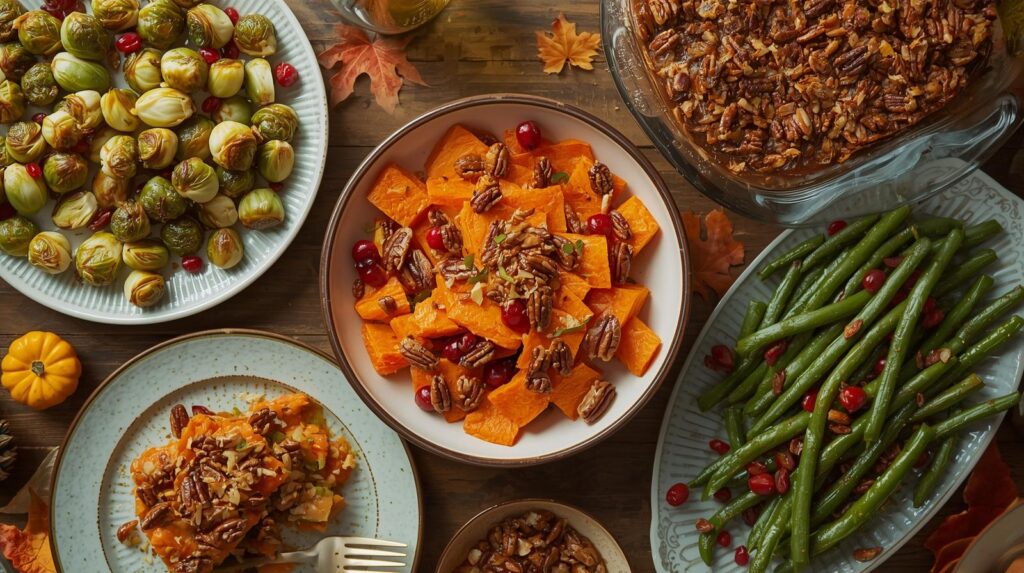
The Best Healthy Thanksgiving Sides (All Recipes Included!)
Below are every recipe you shared, kept exact, organized, and formatted so your readers can enjoy each one with ease.
Healthy Sweet Potato Casserole (No Marshmallows, No Syrup)
Ingredients:
3 lbs fresh sweet potatoes, peeled & cubed
2 large eggs
2 tbsp coconut oil or grass-fed butter
¼ cup monk fruit or allulose
1 tsp cinnamon
¼ tsp nutmeg
2 tbsp orange juice or zest
¼ cup unsweetened coconut flakes (topping)
Pinch of sea salt
Directions:
Boil or roast sweet potatoes until soft, then mash.
Mix in eggs, butter, sweetener, spices, orange juice, and salt.
Transfer to a baking dish, and sprinkle coconut flakes on top.
Bake at 375°F for 25–30 minutes until golden.
💡 Tastes like dessert, but no sugar crash!
Healthy Honey Butter Skillet Corn
Ingredients:
3 cups frozen or fresh corn
1 tbsp butter
2 tbsp light cream cheese (Neufchâtel or Greek yogurt cream cheese)
1 tbsp raw honey or sugar-free honey substitute
¼ tsp salt
Black pepper to taste
Lime zest and fresh chopped parsley
Directions:
In a skillet, melt butter, cream cheese, and honey together.
Add corn, salt, and pepper. Stir until creamy.
Top with lime zest and parsley before serving.
💡 Sweet, creamy, and half the sugar!
Lightened-Up Mashed Potato Casserole
Ingredients:
3 lbs Yukon gold potatoes
1 tbsp olive oil or butter
½ cup plain Greek yogurt
¼ cup Fairlife milk or unsweetened almond milk
½ tsp garlic powder
½ tsp salt
¼ tsp white pepper
½ cup reduced-fat cheddar
2 tbsp chopped chives
Directions:
Boil potatoes until soft, and mash with oil, yogurt, milk, and spices.
Spread into a casserole dish and sprinkle with cheese and chives.
Bake at 350°F for 20 min.
💡 Creamy and rich with less butter, no bacon, and extra protein.
Instant Pot “Cauli-Mash” Potatoes
Ingredients:
4 Yukon gold potatoes
2 cups cauliflower florets
2 tbsp cream cheese or Greek yogurt
¼ cup shredded cheddar
¼ cup Fairlife milk or unsweetened almond milk
1 tsp salt
¼ tsp black pepper
1 tbsp butter or ghee
1 tbsp chopped parsley
Directions:
Cook potatoes and cauliflower together in Instant Pot (8 min on high).
Mash with remaining ingredients.
Garnish with parsley.
💡 Half the carbs, same comfort level!
Healthy Green Bean Casserole
Ingredients:
2 lbs fresh green beans, trimmed
1 tbsp butter or olive oil
1 small onion, diced
8 oz mushrooms, sliced
2 cups unsweetened almond milk or Fairlife milk
2 tbsp oat flour or cornstarch
½ tsp salt + ½ tsp pepper
1 tsp soy sauce or coconut aminos
Optional: Crispy shallots or air-fried onions on top
Directions:
Sauté onion, garlic, and mushrooms in butter.
Stir in flour, then milk, and simmer until thick.
Add soy sauce and seasonings.
Combine with green beans, top, and bake at 375°F for 25 min.
💡 Creamy without the canned soup!
Garlic Green Beans
Ingredients:
1 tbsp olive oil
1 lb fresh green beans
3 garlic cloves, minced
½ tsp Italian seasoning
¼ tsp salt
Pinch black pepper
Optional: squeeze of lemon juice
Directions:
Sauté garlic in olive oil.
Add green beans and seasoning; cook until tender-crisp.
Finish with lemon juice.
💡 Simple, bright, and clean-flavored.
French Onion Cauli-Rice
Ingredients:
3 cups cauliflower rice
½ cup low-sodium beef broth
½ cup caramelized onions
1 tbsp butter
1 tsp Worcestershire or coconut aminos
¼ tsp salt
Fresh parsley
Directions:
Sauté onions in butter until golden.
Add cauliflower rice, broth, and Worcestershire.
Cook until tender, top with parsley.
💡 All the flavor, almost no carbs.
Light “Stick of Butter” Rice (Made Healthy)
Ingredients:
1½ cups cooked brown rice or cauliflower rice
1 cup low-sodium beef broth
1 tbsp butter or ghee
1 tsp soy sauce or coconut aminos
¼ tsp salt
¼ tsp black pepper
1 tbsp parsley
Directions:
Combine rice, broth, and seasonings.
Simmer until liquid is absorbed.
Stir in butter and parsley before serving.
💡 Satisfying umami flavor without the stick of butter!
Build a Balanced, Vibrant Thanksgiving Plate
Healthy Thanksgiving sides are more than just “lighter swaps.” They bring color, nutrients, and freshness to a meal that’s often heavy. Simple changes—Greek yogurt instead of sour cream, fresh green beans instead of canned, whole foods instead of condensed soups—create a meal you feel good about.
For more wholesome recipes and healthy living support, you can explore our House of Health Inner Circle, where members get exclusive meal plans, recipe vault access, and community support:
👉 https://mihouseofhealth.com/house-of-health-inner-circle-membership-site-3-2/
If you’re ready to feel healthier, lighter, and more energized—not just on Thanksgiving, but every day—Join our House of Health Inner Circle for recipes, coaching, and community support.
Protein Pumpkin Cheesecake with Greek Yogurt
Fall flavors meet fitness fuel in this quick and creamy Protein Pumpkin Cheesecake with Greek Yogurt.
If you love the taste of pumpkin pie but want something healthy, high-protein, and low-carb — this recipe hits all the marks. You don’t even need to bake it!
By swapping cottage cheese for Greek yogurt, you still get that rich cheesecake texture without the tang or curds. It’s easier on digestion, higher in probiotics, and perfect as a post-workout dessert or breakfast treat.

What You’ll Learn
- How to make a no-bake high-protein cheesecake in 5 minutes
- Why Greek yogurt is the best substitute for cream cheese or cottage cheese
- Easy layering technique for a perfect pumpkin swirl
- Tips for keeping it low-carb and sugar-free
- Nutrition breakdown per serving

Protein Pumpkin Cheesecake with Greek Yogurt
Equipment
- Blender or food processor, small bowls, spoon or spatula
Ingredients
- 1 cup plain Greek yogurt or low-fat cream cheese
- ½ cup vanilla protein powder heaping
- 1 cup pumpkin puree
- ¼ cup protein powder (optional salted caramel) heaping
- ½ tsp pumpkin spice optional
- 2 graham crackers crushed (optional layer)
- 2 tbsp whipped cream optional topping
Instructions
- Blend the Greek yogurt (or cream cheese) with ½ cup vanilla protein powder until smooth.
- In a separate bowl, mix pumpkin puree with ¼ cup salted caramel protein powder and pumpkin spice.
- Layer the cheesecake mixture and pumpkin layer in a dish or cup.
- Top with crushed graham cracker and a touch of whipped cream, if desired.
- Chill briefly or enjoy immediately.
Notes
Total calories for one: 400
Protein: 58–60g
Carbs: 30–32g
Fat: 4–6g Calories per one serving:
400 Recipe Notes:
Use Greek yogurt for a tangier cheesecake flavor or low-fat cream cheese for a more classic texture. For extra creaminess, chill for 30 minutes before serving. If you want more recipes like this one, Join the House of Health Inner Circle. Get an invite to our membership site at http://houseofhealthcommunity.com/ Lower-carb options:
- Replace graham cracker with crushed pecans or coconut flour crumble.
- Use unsweetened Greek yogurt.
- Choose zero-carb whipped cream or skip it entirely.
Nutrition
Why Greek Yogurt Makes This Recipe Better
Greek yogurt adds creaminess, natural protein, and probiotics without the heaviness of cream cheese.
It’s ideal for muscle recovery, digestion, and guilt-free sweetness. Unlike cottage cheese, it blends smooth — no curds, no gritty texture.
Pro Tip: Use full-fat Greek yogurt if you want a richer mouthfeel while still keeping it healthy.
Problem → Solution: Healthy Fall Desserts Without the Sugar Crash
Many fall desserts are loaded with sugar and heavy cream. This Protein Pumpkin Cheesecake with Greek Yogurt solves that by using protein powder for sweetness and structure instead of sugar and butter.
Quick FAQ
Q1. Can I use flavored Greek yogurt?
A: Yes! Vanilla or pumpkin spice yogurt works great — just reduce added protein powder slightly.
Q2. What if I don’t have protein powder?
A: Substitute 2 tablespoons of almond flour + 1 tablespoon maple syrup (but it’ll lower protein).
Q3. Is this Protein Pumpkin Cheesecake with Greek Yogurt gluten-free?
A: Yes, as long as you use gluten-free protein powder and skip the graham cracker topping.
How to Reverse Insulin Resistance Naturally
How to Reverse Insulin Resistance or Diabetes Naturally
Insulin resistance is one of the most common metabolic conditions in America — yet also one of the most reversible. When your cells stop responding to insulin, blood sugar rises, inflammation increases, and your body starts storing more fat, especially around the midsection. Left unchecked, it can lead to type 2 diabetes, fatty liver, and hormone imbalance. But the great news? You can reverse insulin resistance naturally — often in as little as 30 to 90 days.
🥗 Step 1: Eat Real Food That Balances Blood Sugar
Food is your first line of defense. Choose whole, nutrient-dense foods that stabilize glucose and reduce inflammation.
✅ Eat More:
- Protein: Wild-caught fish, eggs, grass-fed meats, lentils
- Healthy fats: Avocado, olive oil, coconut oil, nuts, seeds
- High-fiber carbs: Berries, apples, quinoa, brown rice, sweet potatoes, leafy greens
🚫 Avoid:
- Processed foods, added sugars, pastries, and soda
- Refined grains (white bread, white pasta, chips)
- Inflammatory seed oils (canola, soybean, corn oil)
Pro Tip: Don’t combine heavy fats and high carbs in the same meal — it slows metabolism and increases insulin spikes.

| Meal | Focus |
|---|---|
| Breakfast | High protein + moderate carbs (eggs with berries) |
| Lunch | Protein + fiber + healthy fats |
| Dinner | High protein + low or no carbs (chicken and avocado salad) |
⏰ Step 2: Try Gentle Intermittent Fasting
Intermittent fasting allows your body to rest and reset insulin sensitivity.
- Men: 14–16-hour fasting window
- Women: 9–10-hour eating window (to support hormone balance)
Eat your largest meal earlier in the day and finish dinner at least three hours before bedtime for optimal results.
💪 Step 3: Move Every Day
Exercise is powerful medicine. A mix of resistance and cardio training delivers the fastest improvements in insulin sensitivity.
- 3 days/week: 45–60 minutes total
- 60–75% resistance training (legs, glutes, core, back, shoulders)
- 25–40% cardio (brisk walking, cycling, Zumba, or interval training)
Even daily walks after meals can significantly improve blood sugar and reduce belly fat.
Please consult your doctor, if you are taking any medications
😴 Step 4: Get Deep, Restful Sleep
Poor sleep increases insulin resistance by up to 40%. Aim for 7–8 hours of deep sleep each night. Keep your room cool, dark, and screen-free for better rest.
🧘 Step 5: Lower Stress to Lower Blood Sugar
Chronic stress raises cortisol, which spikes blood sugar. Calm your nervous system with daily habits like:
- Five minutes of deep breathing
- Gratitude journaling
- Prayer or meditation
- Gentle stretching before bed
🌿 Step 6: Add Targeted Natural Supplements
Combine these natural herbs and nutrients with your whole-food plan for faster results:
| Supplement | Benefits | Dosage / Notes |
|---|---|---|
| Berberine | Mimics Metformin; activates AMPK pathway | 500 mg 3× daily |
| Chromium Picolinate | Improves insulin receptor sensitivity | 1000 mcg daily |
| Ceylon Cinnamon | Lowers fasting glucose and A1C | 1 tsp/day in food |
| Magnesium | Supports glucose metabolism | Daily with meals |
| Vitamin D | Improves insulin sensitivity | Maintain optimal levels |
| Fenugreek | Balances blood sugar and supports hormones | Tea or capsules |
| Gymnema Sylvestre | Reduces sugar cravings (“sugar destroyer”) | As directed on supplement |
| Mulberry Leaf | Reduces post-meal glucose spikes | 250 mg before meals |
🌞 Step 7: Eat with Your Body Clock
Follow the rhythm: “Eat like a king at breakfast, a prince at lunch, and a peasant at dinner.” Your body metabolizes food best earlier in the day.
❤️ Step 8: Restore Hormonal Balance
As insulin sensitivity improves, other hormones like thyroid, estrogen, and testosterone naturally rebalance. Many people experience clearer skin, better mood, improved energy, and easier weight loss.
🔑 The House of Health 3 Pillars to Reverse Insulin Resistance
| Pillar | Focus Area | Result |
|---|---|---|
| 1️⃣ Clean Nutrition | Whole foods, protein, fiber | Steady blood sugar & energy |
| 2️⃣ Consistent Movement | Resistance + walking | Better insulin sensitivity |
| 3️⃣ Smart Supplementation | Berberine, Chromium, Cinnamon | Faster healing & hormone balance |
🌺 Final Thoughts
Reversing insulin resistance is about healing, not restriction. When you fuel your body with the right foods, move daily, sleep deeply, and manage stress, your metabolism can reset itself — naturally.
Within weeks, many notice:
- Balanced blood sugar
- Sustainable weight loss
- Better focus and energy
- Improved sleep and mood
🌿 Join the House of Health Inner Circle
Want a complete step-by-step plan to balance blood sugar naturally? Join the House of Health Inner Circle — our private wellness community for meal plans, herbal supplement guides, and exclusive member downloads.
📚 References
- Dr. Josh Axe, How to Reverse Insulin Resistance Naturally in 30 Days
- CDC Diabetes Research
- JAMA: Lifestyle vs. Metformin for Diabetes Prevention
- PubMed: Clinical Studies on Insulin Sensitivity
Healthy Habits That Make a Big Difference for Busy Adults
Starting a wellness journey doesn’t have to mean overhauling your entire lifestyle. In fact, small healthy habits done consistently often have the biggest impact. For busy adults, building better routines is about making tiny, realistic changes that add up to lasting results.Small steps today lead to major progress tomorrow.
If you’re ready to build better routines without overwhelm, join the free House of Health Community Tier and connect with others on the same journey. You’ll get weekly motivation, habit trackers, and expert tips designed for busy adults like you.
Why Small Healthy Habits Matter
When you think about improving your health, it’s tempting to imagine big leaps—running marathons or completely changing your diet. However, research shows that tiny, repeatable actions are more sustainable.
First, small habits reduce the pressure of major change. You’re less likely to feel overwhelmed, which helps you stay consistent. Next, each small win builds confidence, motivating you to take the next step.
According to Psychology Today, the brain releases dopamine when you achieve even small goals, reinforcing the behavior and making it easier to repeat. Over time, these micro-moments lead to meaningful lifestyle transformations.

Everyday Healthy Habits That Work
The best part about adopting healthy habits is that they fit naturally into your schedule. Here are some examples that can make a big difference:
1. Morning Hydration
- Start your day with a full glass of water before coffee.
- Hydration boosts metabolism, supports digestion, and improves focus.
2. Move Every Hour
- Stand up, stretch, or walk around for two minutes each hour.
- Even light activity improves circulation and reduces fatigue.
3. Practice Mindful Breathing
- Take five deep breaths when you feel stressed.
- It calms your nervous system and lowers cortisol levels.
4. Prep Simple Meals
- Batch-cook veggies or proteins for easy, healthy lunches.
- Having nutritious food ready helps you avoid takeout traps.
5. Prioritize Sleep
- Set a bedtime alarm to remind yourself to unwind.
- Quality rest supports weight control, heart health, and mental clarity.
How to Build Consistency with Healthy Habits
Developing consistency is often the hardest part of forming new habits. However, a few science-backed techniques can help:
Habit Stacking
Pair a new habit with something you already do. For example:
- Drink water right after brushing your teeth.
- Stretch while waiting for your coffee to brew.
Environment Design
Make your surroundings work for you.
- Keep a water bottle at your desk.
- Place fruit on the counter instead of chips.
Start Tiny
Begin with the smallest version of your goal. Instead of “work out for an hour,” commit to five minutes of movement. Small victories snowball into bigger changes.
Track Progress
Use a journal or app to check off daily actions. Seeing your streak grow boosts motivation and helps you notice patterns.
When Motivation Fades: What to Do
Even the most motivated person experiences dips in energy. Here’s how to stay on track:
- Revisit your “why.” Remind yourself of the reason you started.
- Lower the bar. Doing something is always better than nothing.
- Get accountability. Share goals with a friend or community group.
If you ever feel stuck, Join our free House of Health Community
🎃 Get Ready for a Spooktacular Halloween at the County Line Trade Center!
Halloween is creeping up fast — and one of Warren’s favorite family traditions is back! 👻
Join the County Line Trade Center on Saturday, October 25, 2025, from 12 PM to 3 PM for an afternoon filled with costumes, candy, and community fun.
Each year, this can’t-miss event brings together families, local vendors, and the spirit of Halloween under one festive roof. This year’s Trick-or-Treat promises to be the biggest yet — with aisles full of decorated booths, smiling vendors, and plenty of sweets for every little ghost and goblin!

🍬 A Safe, Family-Friendly Way to Celebrate Halloween
Skip the chilly night air and enjoy trick-or-treating indoors!
The County Line Trade Center transforms into a festive Halloween wonderland, where kids can fill their treat bags and parents can relax knowing everything’s safe and supervised.
💡 What to Bring:
- Your best costume (parents, you too!)
- A treat bag for all the goodies
- Your camera — there will be plenty of photo ops! 📸
Every booth is run by local vendors and businesses who can’t wait to meet the community and hand out candy. It’s the perfect blend of family fun and local support!
🧡 More Than Candy — It’s a Community Celebration
This event isn’t just about the treats — it’s about togetherness.
As families walk from booth to booth, they’ll discover what the County Line Trade Center is all about — from handmade crafts to local specialty shops. Vendors go all-out with creative displays, themed booths, and Halloween décor that set the perfect spooky-but-sweet vibe.
✨ Expect:
- Festive decorations from vendors
- Plenty of smiles, laughter, and local love
It’s also a great way to discover new favorite shops or connect with small business owners right here in Warren.
🕸️ Event Details
📍 Location: County Line Trade Center
📅 Date: Saturday, October 25, 2025
⏰ Time: 12:00 PM – 3:00 PM
📫 Address: 20900 Dequindre Rd, Warren, MI 48091
👻 Join the Fun — and Don’t Forget Your Costume!
Whether it’s your child’s first trick-or-treat or your family’s annual Halloween tradition, this event is the place to be. Enjoy the magic of Halloween in a safe, festive space filled with treats, laughter, and local spirit.
Mark your calendar, invite your neighbors, and get ready for a spooktacular day at the County Line Trade Center! 🧙♀️🕷️
🌿 Psst… Don’t Miss the House of Health Inner Circle!
After the Halloween candy is gone, keep the healthy habits going. 🍎
Visit House of Health, located inside the County Line Trade Center, and discover natural supplements, immune-boosting essentials, and energy-supporting favorites for your whole family.
Want to take your wellness journey further? Join our House of Health Inner Circle — a private online community filled with simple wellness tips, low-carb recipes, supplement guides, and motivation to help you feel your best all year long.
✨ Join the waitlist for today and start your wellness reset: House of Health Inner Circle