
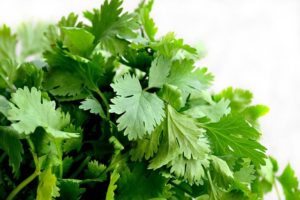
Some of the benefits of Cilantro Leaves are:
1. Rids the Body of Heavy Metals
2. Protects Against Colon Cancer
3. Lowers Anxiety and Improves Sleep
4. Lowers Blood Sugar Levels
5. Protects Against Cardiovascular Disease
6. Soothes Skin Irritations
Cilantro is rich in phytonutrients, flavonoids, and phenolic compounds.
Overview
Fresh cilantro leaves (Coriandrum sativum) are commonly used as an herb in cuisines worldwide.
Cilantro refers to the fresh leaves of the coriander plant (Coriandrum sativum), also known as Chinese parsley. (Confusingly, “coriander” often denotes the dried seeds, while “cilantro” refers to the leaves in American English healthline.com.) This herb has a fragrant, citrusy flavor and is a staple in Latin American, Indian, Middle Eastern, and Asian cooking healthline.com. People most commonly consume cilantro as a fresh garnish or ingredient in foods like salsa, curries, salads, and soups, rather than as a pill or powder supplement. All parts of the plant are edible, but the fresh leaves and dried seeds are used most often medicalnewstoday.com. Traditionally, cilantro has also been used in folk medicine for digestion and as a culinary spice to mask unpleasant tastes sciencedirect.com. Modern interest in cilantro as a “supplement” centers on its potential health benefits, such as blood sugar management, mild anxiety relief, or even heavy metal detox – though these uses are not fully proven (see Evidence sections below).
Heavy metal binding: Cilantro has gained attention for potential “detox” properties. It contains compounds that in test-tube and animal studies can bind certain heavy metals. For instance, cilantro intake in mice was found to inhibit lead from depositing in bonespmc.ncbi.nlm.nih.gov. One older report even noted increased mercury excretion in humans after consuming cilantro soup (though this was not a controlled trial)pmc.ncbi.nlm.nih.gov. The proposed mechanism is chelation: compounds in cilantro may complex with metal ions, aiding their elimination. However, this effect is not well-demonstrated in human studies
Heavy metal binding: Cilantro has gained attention for potential “detox” properties. It contains compounds that in test-tube and animal studies can bind certain heavy metals. For instance, cilantro intake in mice was found to inhibit lead from depositing in bonespmc.ncbi.nlm.nih.gov. One older report even noted increased mercury excretion in humans after consuming cilantro soup (though this was not a controlled trial)pmc.ncbi.nlm.nih.gov. The proposed mechanism is chelation: compounds in cilantro may complex with metal ions, aiding their elimination. However, this effect is not well-demonstrated in human studies (see Evidence).
In summary, cilantro’s biological actions likely stem from its antioxidant and anti-inflammatory phytochemicals, its ability to modulate neural ion channels and receptors, and mild effects on metabolic enzymes and pathways. These mechanisms provide a basis (mostly in vitro or in animals) for its purported benefits like neuroprotection, blood sugar reduction, and antimicrobial activity.
Evidence Strength
Strong Evidence: At this time, there is no strong clinical evidence that cilantro (cilantro leaves or coriander seed supplements) can definitively treat or prevent any health condition. No large-scale, high-quality randomized controlled trials have validated a specific therapeutic use for cilantro. It is not an FDA-approved treatment for any ailment. Most health benefit claims for cilantro rely on animal studies, test-tube experiments, or very small human trials. Therefore, no health benefit reaches the level of “strong evidence” supported by multiple robust clinical trials or meta-analyses. Cilantro is best viewed as a nutritious culinary herb with potential benefits, rather than a proven medicinal supplement.
Mixed / Limited Evidence: There are several areas where preliminary research suggests benefits of cilantro or coriander, but findings are limited, mixed, or not yet confirmed in large human studies:
-
Blood Sugar Control: Animal studies consistently show coriander seeds can lower blood glucose levelshealthline.comhealthline.com. In rats, coriander extract worked similarly to a standard diabetes drug in reducing high blood sugarhealthline.com. Emerging human data also suggest benefits – a small 6-week clinical trial in 40 patients with type 2 diabetes found that 1,000 mg/day of coriander seed powder significantly reduced fasting blood sugar and improved insulin resistance compared to placeboresearchgate.netresearchgate.net. Cholesterol levels also improved (lower LDL and higher HDL) in the coriander groupresearchgate.net. While promising, these results need confirmation in larger trials. People with diabetes should not rely on cilantro alone, but it may have a modest complementary effect on glucose controlhealthline.com.
-
Cholesterol & Heart Health: Some limited evidence suggests coriander can improve heart-related metrics. In animal studies, coriander seed supplementation led to lower “bad” LDL cholesterol and higher “good” HDL cholesterolhealthline.com. Cilantro’s diuretic effect in rats has been shown to reduce blood pressure by helping eliminate excess sodiumhealthline.com. Epidemiological observations also note that cultures consuming herbs and spices like coriander tend to have lower rates of heart disease (potentially due to requiring less added salt)healthline.com. However, direct human evidence is sparse – we have plausibility and small-scale results, but no consensus. Thus, coriander might support cardiovascular health factors (if findings translate from animals to humans), but more studies are needed.
-
Digestive Health (IBS and Appetite): Cilantro has a long history as a digestive aid (carminative). A pilot randomized trial in 32 people with IBS tested an herbal preparation containing coriander: after 8 weeks, those taking the coriander-containing remedy had significantly less abdominal pain, bloating, and discomfort than placebohealthline.comhealthline.com. This suggests coriander may help relieve IBS symptoms, possibly by relaxing GI muscles or reducing gas. Additionally, coriander is used in traditional medicine to stimulate appetite. One rodent study found coriander leaf extract increased appetite and food intake in ratshealthline.com. These findings are encouraging for gut health, but evidence is still limited (the IBS trial combined coriander with other herbs, so cilantro’s isolated effect is uncertain).
-
Anxiety and Mood: Animal evidence indicates coriander has anxiolytic (anti-anxiety) properties. Rodent experiments show coriander extracts produce anxiety reduction comparable to diazepam (a Valium-like drug) in standard anxiety testshealthline.com. The proposed mechanism is interaction with GABA and serotonin systems in the brainmdpi.com. Coriander has also been used traditionally for calming and insomnia. Human data are minimal – one clinical trial is underway to examine coriander’s impact on anxiety, mood, and sleep in studentsclinicaltrials.gov, but published results are not yet available. Bottom line: There is limited but intriguing evidence from animal studies that cilantro may ease anxiety and improve sleep, but we lack robust human trials to confirm this use.
-
Memory and Brain Protection: In animal models, coriander has shown neuroprotective effects. A study in mice found coriander leaf extract improved memory performance, suggesting potential benefits for neurodegenerative conditions like Alzheimer’shealthline.comhealthline.com. Another experiment demonstrated that coriander extract protected rat brain cells from damage during induced seizures, likely due to its antioxidant activityhealthline.com. These findings align with cilantro’s anti-inflammatory properties, which could theoretically help with neuroinflammation seen in Parkinson’s, Alzheimer’s, etc.healthline.com. Furthermore, lab research at UC Irvine identified cilantro’s ability to activate neuronal potassium channels and delay seizure activity in a controlled settingmedschool.uci.edumedschool.uci.edu. All this suggests coriander might have neurological benefits, but so far the evidence is mostly preclinical. We await human studies to see if these brain effects translate to real-world outcomes.
-
Pain Relief and Migraine: There is limited evidence coriander can help with pain. An animal study (2015) showed coriander seed extracts produced significant analgesic (pain-relieving) effects in mice, possibly via interactions with the opioid pain pathways (naloxone, an opioid blocker, could reverse coriander’s effect)medicalnewstoday.commedicalnewstoday.com. Interestingly, a small human trial in migraine sufferers found that adding coriander fruit syrup to standard migraine medication improved outcomes. In that study with 68 patients, the group taking 15 mL of coriander syrup three times daily plus their regular migraine drug had reduced frequency, severity, and duration of migraines compared to the group on medication alonemedicalnewstoday.com. This is a relatively small single trial, but it indicates coriander seed preparations might be a helpful adjunct for migraines or pain. More clinical research is needed before recommending cilantro for pain, but early results are notable.
-
Antimicrobial and Immune Effects: Cilantro contains natural antimicrobial compounds. Test-tube studies show coriander leaf and seed extracts can inhibit certain bacteria and fungi. For example, a compound in cilantro (dodecenal) was found to strongly fight Salmonella bacteria in lab testshealthline.comhealthline.com, and coriander oil showed activity against microbes that cause foodborne illness and hospital infectionshealthline.com. An in vitro study also noted coriander (among other spices) could inhibit bacteria behind some UTIshealthline.com. These antimicrobial effects support cilantro’s traditional use in food safety (perhaps helping prevent spoilage). In terms of immune support, cilantro’s antioxidant vitamins (like vitamin C, A, and E) and phytochemicals may have general immune-boosting roles. However, clinical evidence in humans is limited – we don’t have trials showing eating cilantro will cure an infection. It’s best seen as a complementary food that might contribute to infection defense in small ways (e.g., by reducing bacterial load in foodhealthline.com), rather than a standalone antibiotic.
-
Skin and Aging: Preliminary evidence suggests coriander may benefit the skin. It’s been used topically in folk remedies for rashes and dermatitis. In one study, a coriander extract cream by itself did not greatly help infant diaper rash, but researchers noted it might have some soothing effect when combined with other agentshealthline.com. More notably, laboratory studies indicate coriander’s antioxidants can protect skin cells against UVB radiation damage and oxidative stresshealthline.com. This implies cilantro could have anti-aging or skin-protective qualities. Some people apply cilantro or its juice for acne or pigmentation in traditional practice, but research is lacking to support these useshealthline.com. Overall, any skin benefits of cilantro are speculative at this point, based on lab science rather than proven dermatological trials.
Lacking / No Evidence: Several popular claims about cilantro are not supported by reliable evidence:
-
Heavy Metal “Detox”: Cilantro is often touted as a natural chelation agent to remove heavy metals like mercury, lead, or aluminum from the body. However, controlled research does not substantiate this in humans. A frequently cited 1990s report of cilantro soup helping excrete mercury was anecdotal and not a rigorous trial pmc.ncbi.nlm.nih.gov. A small clinical study in children exposed to lead found that coriander (cilantro) extract did not significantly increase lead excretion or lower blood lead levels pmc.ncbi.nlm.nih.gov. While animal studies have shown cilantro can decrease lead deposition in bones of mice pmc.ncbi.nlm.nih.gov, experts consider the human heavy-metal detox claims unproven rapamycin.news. Reputable toxicology reviews conclude that coriander is not a reliable treatment for heavy metal poisoning fullfact.org. Relying on cilantro instead of medical chelation for heavy metal toxicity could be dangerous – thus, this claim lacks solid evidence.
-
Serious Diseases (Cancer, etc.): There is no good clinical evidence that cilantro can cure or prevent diseases like cancer, diabetes complications, or infections in humans. Folk medicine uses include treating measles, toothaches, and even cancer, but these are not backed by science vital.ly. For example, test-tube studies have explored cilantro extracts against cancer cells (e.g., showing reduced invasiveness of prostate and breast cancer cells in vitro) medicalnewstoday.commedicalnewstoday.com, but this is very preliminary. We do not have human studies demonstrating anticancer effects. Similarly, claims that cilantro fights active infections or viruses in people are unsupported – at best it might complement standard care with its nutrients. Overall, any major medicinal claim (beyond mild uses described in Limited Evidence) should be viewed as unsubstantiated. Natural products databases rate cilantro’s effectiveness for conditions like infection or chronic disease as “Insufficient Evidence”vital.ly.
-
General Health Enhancements: Many of the beneficial effects seen in labs or animals (anti-inflammatory, neuroprotective, anti-diabetic, etc.) have not been confirmed in human trials. For instance, while cilantro shows anti-inflammatory activity in cell studies, we don’t have human trials showing it significantly lowers inflammation markers in patients. The same goes for memory improvement or liver/kidney protection – interesting findings in animals or small studies, but no conclusive human evidence medschool.uci.edujournals.lww.com. Therefore, any broad health improvement claims for cilantro should be taken with caution due to the lack of robust human data.
In summary, cilantro’s scientific evidence is currently strongest at the animal and laboratory level, with a few small human studies hinting at benefits for blood sugar control, digestion, anxiety, pain, and possibly cholesterol. None of these are yet proven well enough to consider the evidence “strong.” Many other claims (like heavy metal detox or cancer cure) have no reliable human evidence and should be regarded as unproven.
Dosage & Forms
Typical Doses in Studies: There is no established standard dose of cilantro for health purposes. In research settings, doses have varied depending on form:
-
Coriander seed powder: A human trial in diabetics used 1,000 mg per day of ground coriander seed (in capsules) for 6 weeks researchgate.net. This dose (1 gram) led to measurable effects on blood sugar and cholesterol. Other human studies (e.g., migraine study) used about 15 mL of a coriander seed syrup thrice daily medicalnewstoday.com – the exact coriander content was not stated, but presumably a few grams of seed extract per dose.
-
Cilantro leaf extracts: Animal studies often use much higher relative doses. For example, rodents might receive 100–200 mg/kg of a cilantro leaf extract journals.lww.com, which is far more (per body weight) than a human would get from normal diet. No standard human-equivalent dose exists, but some supplement products provide cilantro leaf extract in the range of a few hundred milligrams per day.
-
Fresh leaves (dietary use): In cooking, people might use a small handful of fresh cilantro leaves (~2–5 grams). Even such small amounts can provide flavor and some antioxidants. There’s no upper limit defined for eating cilantro as food; it’s commonly consumed ad libitum in meals. However, very large “therapeutic” amounts are not well studied.
Common Forms:
-
Fresh Herb: The most popular form – used raw or added at the end of cooking to preserve its flavor. This is how most people “dose” cilantro (by eating it in food). It ensures you get the full spectrum of nutrients and volatile oils (which can be lost if dried or overcooked).
-
Dried Leaves: Available as a spice, though dried cilantro loses some potency and flavor. Still, it can be used in teas or capsules. Some supplements may contain dried cilantro leaf powder.
-
Coriander Seeds: The dried seeds (coriander) are sold whole or ground. They are used as a culinary spice and in herbal remedies. Many of the studies on metabolic benefits used the seeds. People might brew the seeds into a tea or take seed powder capsules.
-
Extracts and Oils: Concentrated forms include tinctures (alcohol extracts of cilantro), fluid extracts, or essential oil. Coriander essential oil, usually distilled from seeds, contains high levels of linalool and other terpenes – it has demonstrated antimicrobial effects in lab studies healthline.com. This oil is potent; if used, it’s typically in drops (and mostly for aromatherapy or topical blends, not ingested straight). Cilantro leaf essential oil is less common but similar principles apply.
-
Supplement Products: Some detox or cleanse supplements include cilantro extracts (often alongside chlorella or others), marketed for heavy metal detox. These might come in capsules or as green powder blends. The actual cilantro content can vary widely (e.g., a capsule might have 50–500 mg cilantro extract).
Guidelines: There are no official dosing guidelines for cilantro as a supplement. Natural medicine references state that an appropriate dose depends on factors like age, health status, and formulation, and there isn’t enough data to recommend a specific range vital.ly. It’s generally advised to use cilantro in moderation as part of the diet or follow instructions on commercial herbal products. If one is experimenting with cilantro tea or supplements, starting with small amounts (e.g. a cup of cilantro tea or a few drops of tincture) to gauge tolerance is prudent. Exceeding normal culinary amounts should be done cautiously, as safety in “mega-doses” isn’t well researched (see Safety section).
In summary, most people get their “dose” of cilantro simply by eating the herb in foods. If using a supplement form, doses around 1–3 grams of dried herb or seed per day have been used in small studies, but clear recommendations are lacking. Always ensure the form (fresh, dried, extract) is appropriate for your use – e.g., fresh for flavor and general nutrition, seeds for metabolic effects, or extracts for concentrated use.
Safety & Side Effects
General Safety: Cilantro is widely eaten and is Likely Safe in normal food amounts vital.ly. Millions of people consume it regularly with no issues. It is recognized as a culinary herb/spice and is on the FDA’s GRAS (Generally Recognized As Safe) list when used in foods. However, when taking cilantro in larger medicinal amounts or extracts, safety is less documented.
Allergic Reactions: Some individuals are allergic to cilantro (though this is uncommon). There has been at least one reported case of anaphylaxis after eating cilantro – symptoms included hives, facial swelling, and throat swelling vital.ly. Contact dermatitis (skin irritation) can also occur; handling fresh cilantro or using it topically may cause redness or itching in sensitive people vital.ly. If you notice rash, itching, or swelling after eating or touching cilantro, discontinue use and consider allergy testing.
“Soapy” Taste: Not a safety issue per se, but worth noting – a percentage of people genetically perceive cilantro’s taste as soapy or unpleasant. This is due to variations in olfactory receptors and is harmless, but it affects whether someone can tolerate eating cilantro. It’s a quirk rather than a dangerous effect.
Blood Sugar and Blood Pressure: Cilantro can have physiological effects. It may lower blood sugar levels, as discussed, so if someone is on anti-diabetic medication or prone to hypoglycemia, consuming large supplemental amounts of cilantro could potentially make blood sugar dip too low healthline.com. Caution is advised for diabetics – monitor glucose and use cilantro supplements under medical guidance. There’s also a mild blood pressure-lowering and diuretic effect (seen in animal studies) healthline.com; hypotension (low BP) is theoretically possible if combined with blood pressure meds, although this hasn’t been reported clinically.
Bleeding and Clotting: High doses of cilantro might slow blood clotting. It has a mild anti-platelet effect (observed in some in vitro studies and alluded to by herbal references) vital.ly. Because of this, consuming unusually large amounts or concentrated extracts could increase bleeding risk, especially in people with bleeding disorders or on anticoagulant drugs. For instance, an herbal database warns that cilantro in large amounts might exacerbate bleeding tendencies vital.lyvital.ly. If you have a surgery scheduled, it’s recommended to avoid medicinal quantities of cilantro for at least 2 weeks prior, just as a precaution vital.ly.
Photosensitivity: An interesting and lesser-known caution – cilantro might make the skin more sensitive to sunlight. Some compounds in cilantro (like furanocoumarins, though less prominent than in parsley) could potentially cause photosensitivity. There’s a note that taking cilantro with other photosensitizing agents could increase risk of sunburn or rash on sun-exposed skinvital.ly. While not commonly reported, it’s wise to use sunscreen if you’re consuming a lot of cilantro or applying it on skin, especially if also on medications like certain antibiotics that cause sun sensitivity vital.ly.
Pregnancy and Breastfeeding: There isn’t enough reliable information about cilantro’s safety in medicinal doses during pregnancy or lactation vital.ly. As a food ingredient, it’s certainly common in cuisines and considered safe in normal dietary quantities. But highly concentrated forms should be avoided due to unknown effects. Pregnant women should stick to using cilantro as a seasoning, not as a concentrated supplement, unless cleared by a healthcare provider.
Drug Interactions:
-
Blood thinners: As mentioned, combining large amounts of cilantro with anticoagulant or antiplatelet drugs (like warfarin, aspirin, clopidogrel) could theoretically increase bleeding risk vital.ly. The effect is not as potent as drugs, but it’s something to be cautious about.
-
Diabetes medications: Because cilantro can lower blood glucose, it may have an additive effect with insulin or oral hypoglycemics, risking hypoglycemia. Monitor blood sugar closely if combining them.
-
Photosensitizing drugs: If you take medications that increase sun sensitivity (e.g. certain antibiotics like tetracyclines or fluoroquinolones, or St. John’s Wort), adding cilantro supplements might further increase the risk of UV reactions vital.ly.
-
Other: Cilantro (like many herbs) could potentially affect how the liver metabolizes drugs (via cytochrome P450 enzymes), but there’s scant specific data. No major CYP interactions are well documented for cilantro.
Side Effects: For most people, eating cilantro in food doesn’t cause side effects beyond the occasional strong taste. In larger doses or extracts, some people might experience mild gastrointestinal upset (e.g., stomach pain or nausea) – this is possible with any herb. There’s one older report that very high consumption caused some GI irritation and drowsiness, but such instances are rare. Overall, cilantro is well-tolerated.
Quality & Contamination: Ensure your cilantro (especially supplements) comes from a reputable source. There have been instances of contaminated cilantro causing illness (see Cautions section). Always wash fresh cilantro thoroughly to remove any soil or pathogens. If using an essential oil, dilute it properly before applying to skin to avoid irritation.
Food Sources (if applicable)
Cilantro is a food – it’s the leafy part of the coriander plant. You don’t need to seek it out in other foods because you can use the herb directly. That said, here’s how it figures in diet and nutrition:
-
Natural Dietary Sources: Fresh cilantro leaves are available in grocery stores and markets as a culinary herb. Many recipes incorporate cilantro for flavor. It’s common in salsa, guacamole, chutneys, salads, soups (like pho), curries, and as a garnish on everything from tacos to grilled meats. Because it’s “the herb itself,” the primary source of cilantro’s nutrients is just eating the leaves. Coriander seeds are used as a spice in curry powders, pickling spice blends, and seasoning for dishes; consuming foods spiced with coriander seed will provide some of its compounds.
-
Nutrient Content: Though used in small quantities, cilantro leaves contain vitamins and minerals. They are particularly a good source of vitamin K and vitamin A, and also provide vitamin C and E in modest amounts. Cilantro leaves have some folate, potassium, and manganese as well webmd.com. For example, a quarter-cup of fresh cilantro leaves (about 4 grams) provides roughly 16% of the Daily Value for vitamin K, and small amounts of vitamin A and C webmd.com. However, because one generally eats only a few sprigs, the absolute nutritional impact is usually minor. Still, using cilantro regularly can contribute antioxidants and micronutrients to the diet. Coriander seeds contain different compounds (lots of oils and fiber) and are less about vitamins, more about spices’ phytonutrients.
-
Absorption Notes: There are no special absorption issues with cilantro’s nutrients – it’s like any green herb. The fat-soluble vitamins (A, E, K) in cilantro will absorb better if consumed with some dietary fat (which often happens naturally, e.g., cilantro in guacamole or a dish with oil helps the body take in those vitamins). The key volatile compounds (like linalool and aldehydes) don’t need “absorption” consideration for nutrition, but they do rapidly dissipate with heat. That’s why cilantro is often added at the end of cooking or to cold dishes – to preserve its aromatic oils. If you cook cilantro for too long, you’ll lose much of its flavor and some delicate compounds.
-
Comparing Leaves vs. Seeds: Cilantro leaves and coriander seeds come from the same plant but have different compositions and uses. Leaves are used fresh for a bright flavor and are higher in certain vitamins. Seeds are usually dried and have a warm, spicy flavor when ground; they contain more essential oils like linalool. Both have antioxidant properties, but the seeds have been studied a bit more for effects like blood sugar control and cholesterol (since you can easily incorporate a couple grams of seeds in a diet or capsule). From a dietary perspective, including both leaves and seeds in cooking diversifies the flavors and the plant compounds you get.
-
Other Food Forms: In some cultures, cilantro roots are also used in cooking (for example, in Thai cuisine to flavor soups and curry pastes). They have a stronger, earthy flavor. Nutritionally, roots are not well-characterized but likely similar in antioxidant content. Cilantro microgreens (seedlings) are another form you might see in salads or gourmet dishes; they carry a similar flavor and might have concentrated nutrients as many microgreens do.
In essence, cilantro itself is the “food source.” It’s widely available and easy to add to your diet. If you’re looking to get its benefits, the most straightforward way is to eat dishes containing fresh cilantro or ground coriander. There’s no need to find some obscure source – just head to the produce aisle or spice rack.
(Fun fact: Using cilantro as a flavor can even indirectly improve your diet by allowing you to use less salt. Its strong flavor boosts palatability so you might not need as much sodium medicalnewstoday.comhealthline.com.)
Practical Uses
Cilantro is not a cure-all, but it may have several practical health-related uses or benefits in everyday life:
-
Culinary Use for Healthier Eating: The simplest “use” of cilantro is to make healthy foods more enjoyable. By adding cilantro to recipes, people can enhance flavor without relying on excess salt or artificial additives medicalnewstoday.com. This can help in overall dietary improvement – for instance, using cilantro, garlic, and lime in a sauce instead of a high-sodium dressing. In this way, cilantro supports heart health indirectly (less sodium, more nutrient diversity).
-
Digestive Aid: Cilantro and coriander are traditional carminatives – they help relieve gas and indigestion. In practical terms, drinking a coriander seed tea or adding toasted coriander seeds to meals might reduce bloating or cramping. People with IBS or frequent bloating could consider a coriander-infused tea after meals. The small pilot study (Carmint) suggests that a herbal formula with coriander can ease IBS abdominal pain healthline.com, so some practitioners recommend coriander in combination with peppermint or fennel for IBS relief. While not a guaranteed remedy, it’s a gentle option to support digestion.
-
Mild Anxiety or Sleep Aid: In traditional Iranian and Ayurvedic medicine, cilantro/coriander is used for calming the nerves and improving sleep. Some folks drink cilantro leaf infusion or take a spoon of coriander seed decoction in the evening as a relaxant. Given the animal evidence of anxiolytic effects, individuals with mild anxiety or insomnia might experiment (cautiously) with cilantro tea or supplements as a complementary approach. It’s mild, so it may not have a strong effect, but could take the edge off anxiety for some. However, this is anecdotal – anyone with serious anxiety should not replace proven treatments with cilantro. At most, cilantro could be a practical adjunct for relaxation (e.g., including cilantro and other calming herbs like chamomile in a bedtime tea).
-
Blood Sugar Management (Adjunct): For those with prediabetes or type 2 diabetes, incorporating coriander seeds in the diet might modestly help control blood sugar. Practical tip: some use about 1 teaspoon of ground coriander seed daily (for example, sprinkled in yogurt or added to a smoothie). Given the small trial showing improved glucose and cholesterol researchgate.net, this could be a simple, food-based complement to standard care. It’s important to treat this as supplementary – monitoring blood sugar is essential, and one should not adjust any medications without a doctor. But as a kitchen remedy, it’s relatively easy and safe to try adding coriander spice to meals if you enjoy the flavor.
-
Migraine & Pain Support: If you suffer from migraines or tension headaches, a practical use of coriander could be as part of a preventive or acute regimen. In the study of coriander syrup for migraines, the coriander was used alongside a pharmaceutical (presumably a common migraine med) and it enhanced relief medicalnewstoday.com. Practically, someone might try taking coriander seed in some form when a headache starts or daily as a prophylactic. For instance, simmering crushed coriander seeds in water with a bit of honey (to make a “coriander tea”) is a traditional remedy for headaches in some cultures. While evidence is not conclusive, the risk is low, and it might provide an extra edge of pain relief or shorten migraine duration for some individuals. Always continue primary migraine treatments, but coriander could be one of those home remedies to test under guidance.
-
Anti-inflammatory Diet Ingredient: Because of its antioxidant content, cilantro can be one small piece of an anti-inflammatory diet. People with inflammatory conditions (like arthritis or autoimmune issues) often seek out anti-inflammatory foods. Using cilantro in cooking (along with other spices like turmeric and ginger) can contribute polyphenols that fight inflammation. It’s no replacement for medication, but every bit in the diet helps. Coriander seed has shown an analgesic, anti-inflammatory effect in mice via the opioid system medicalnewstoday.com, hinting it might have a mild pain-soothing effect in humans too. Some arthritis sufferers use coriander seed water (soaking seeds overnight, then drinking the water) as a folk remedy for joint pain – empirical support is limited, but it’s a harmless practice one could try.
-
Foodborne Illness Prevention: In practical kitchen use, cilantro (and especially coriander seed or cilantro oil) has antimicrobial properties that might help keep food safe. For example, a fresh salsa with cilantro has been noted anecdotally to last a bit longer before spoiling – possibly due to cilantro’s antibacterial compounds against common pathogens like Salmonella healthline.com. While one shouldn’t rely on cilantro to prevent food poisoning, integrating antimicrobial herbs in recipes (garlic, cilantro, oregano, etc.) can reduce microbial load. Additionally, some people use diluted coriander essential oil as a natural food-safe disinfectant or to wash produce (given its antibacterial and antifungal effects in lab studies healthline.com). This is more of a folk practice, but it’s an example of cilantro’s practical utility beyond nutrition.
-
Detox Support (with caveats): Despite the lack of hard evidence for heavy metal detox, some individuals who are undergoing detox protocols include cilantro as a supportive food. For instance, they might blend fresh cilantro into smoothies or juice (so-called “heavy metal detox smoothie”) with the idea that it could bind metals. As a practical measure, adding cilantro to one’s diet won’t hurt and provides antioxidants, but it should not be the sole method of detoxification. If someone has known heavy metal exposure, they must work with a doctor. Cilantro can be one part of a healthy diet that supports liver function (antioxidants, etc.), but it’s not a proven chelation therapy. So the practical advice: enjoy cilantro in your diet for general wellness, and if you’re interested in detox, use it alongside medically recognized approaches – don’t count on cilantro alone to “cleanse” the body rapamycin.news.
In all these uses, it’s clear that cilantro is mostly a supportive player. It’s not a primary treatment, but it can contribute to health in small ways: better flavor leading to better diet choices, mild relief for digestion or stress, and providing beneficial phytochemicals. Its practical benefit is greatest when integrated consistently into a healthy lifestyle (as a spice or herb) rather than taken in high-dose sporadic fashion. Also, individual responses vary – some might feel a calm from cilantro tea, others notice no effect, and some just hate the taste altogether! So, use it in ways that make sense for you.
Cautions / Red Flags
While cilantro is generally safe as a food, a few cautions and red flags should be noted, especially regarding supplement use and sourcing:
-
Contamination and Food Safety: Fresh cilantro has been implicated in some foodborne illness outbreaks. Notably, since 2013 there have been recurring outbreaks of Cyclospora (a parasitic infection causing severe diarrhea) linked to cilantro imported from certain regions of Mexico. The FDA even issued import alerts seasonally to detain cilantro from specific farms in Puebla, Mexico due to unsanitary conditions stacks.cdc.gov. This highlights the importance of washing cilantro thoroughly and sourcing it from reputable suppliers. If you’re buying imported fresh cilantro, be aware of any public health advisories. Also, cilantro (like any herb) can sometimes carry Salmonella or E. coli if grown in contaminated water – basic hygiene (washing, proper refrigeration) is important. Heat or cooking can kill most pathogens, but since cilantro is often eaten raw, cleanliness is key.
-
Heavy Metal Content in Products: Ironically, while cilantro is promoted to remove heavy metals, there’s concern about heavy metal contamination in some herbal products. Spices and herbal supplements from certain sources have been found tainted with lead, arsenic, or other metals. A CDC report found that about 28% of spice and herbal samples (from homes of children with lead poisoning) contained detectable lead cdc.govcdc.gov. This can happen if herbs are grown in polluted soil or adulterated with lead-containing dyes. Coriander powder is not immune to this risk. Red flag: be cautious of cheap or unlabeled cilantro/coriander supplements, especially imported ones, as they might have contaminants. Look for products that have undergone quality testing for heavy metals and pesticides.
-
Unsubstantiated Health Claims: Be wary of any product or practitioner that markets cilantro as a miracle cure or detox that can replace standard treatments. For example, claims that “cilantro removes 80% of heavy metals from your body” or that it can treat cancer or Lyme disease are not backed by scientific consensus fullfact.orgvital.ly. Such claims are a red flag for misinformation. Always question if a supplement advertisement sounds too good to be true. Trusted sources like NIH and Examine.com note the lack of human evidence for these claims. In short, cilantro should not be used in place of proven therapies for serious conditions.
-
Supplement Quality and Dosage Caution: If taking cilantro in supplement form (capsules, tinctures, etc.), follow dosage instructions and don’t exceed recommended amounts. Natural does not always mean risk-free. There isn’t extensive research on overdosing cilantro, but extremely high intake could conceivably cause issues (like disorientation or stomach upset – some older sources mention cilantro in excess might have narcotic-like effects, though evidence is scant). Stick to moderate use. Ensure the supplement is from a reputable manufacturer that adheres to good quality practices, since the FDA does not strictly regulate supplements for efficacy. Red flag: supplements that do not list quantified ingredients or have no third-party testing.
-
Agricultural/Environmental Concerns: One caution – cilantro is a delicate herb often eaten raw, so pesticide residues can be a concern. Wash it to remove residues. If you consume a lot of cilantro, consider organic to minimize pesticide intake. This is especially relevant for children or pregnant women who might be more sensitive to chemicals.
-
Lack of Regulation for Claims: There are no major FDA or WHO warnings specifically against cilantro, but it’s also not endorsed by these bodies for any health indication. The absence of an advisory doesn’t mean something is effective – it might just mean it hasn’t been considered significant enough. Always cross-check health claims with reliable sources (NIH’s NCCIH, Cochrane reviews, etc.). If an internet source claims “NIH studies show cilantro cures XYZ,” verify that – it’s likely a misinterpretation. Use the references and links below as starting points for accurate information.
-
Drug Interactions and Medical Conditions: As noted in Safety, if you have a medical condition or are on medications, treat cilantro as you would any active supplement. Red flag situations include: planning surgery (stop high-dose supplements beforehand to avoid bleeding risk), managing diabetes or blood pressure (monitor levels if using cilantro regularly, to avoid swings), or if you have a known allergy to related plants (cilantro is in the same family as carrots, celery, and parsley – rare cross-reactions can occur).
-
Psychological Expectation: Some people undertake cilantro “detoxes” with high hopes. If you feel worse or notice any odd symptoms when taking a lot of cilantro (some reports of people feeling unsettled or having changes in stool when doing heavy metal cleanses with cilantro), be cautious. It might not be the cilantro per se causing it (could be other factors), but listen to your body. A sensible approach is key – cilantro is best as a supportive herb, not a drastic purge.
In summary, the major red flags with cilantro involve product quality (contamination) and overstated claims. The herb itself is food-safe for most people, but one should use common sense when trying any supplement regimen with it. Always prioritize evidence-based treatments for serious conditions and use cilantro as a complementary measure. If unsure, consult a healthcare professional, especially for high-dose usage or if you fall into a sensitive group.
References & Links
-
Medical News Today – “Why is cilantro good for you?” (MNT, June 2023) – Overview of cilantro’s benefits, nutrition, and some recent studies medicalnewstoday.commedicalnewstoday.com.
-
Healthline – “8 Surprising Health Benefits of Coriander (Cilantro)” – Evidence-backed list of health effects with references to studies (blood sugar, heart, brain, digestion, infections, skin) healthline.comhealthline.com.
-
WebMD – “Cilantro: Uses, Side Effects, and More” – Herbal database entry summarizing traditional uses (e.g. for measles, toothache), safety profile, and lack of evidence for major claims vital.lyvital.ly.
-
Examine.com – Various articles (e.g. herbs and gut health) – Independent analysis of research on herbs/spices (may have mentions of coriander’s effects on gut bacteria and inflammation).
-
UCI School of Medicine Press Release (2019) – “Molecular mechanism for the therapeutic effects of cilantro” – Explains how a cilantro compound activates neuronal potassium channels to reduce seizures medschool.uci.edu (FASEB Journal study).
-
Molecules Journal (2023) – “Coriandrum sativum and its utility in psychiatric disorders” – Review of cilantro’s components affecting GABA, serotonin, etc., and its potential as an anxiolytic or antidepressant (open-access) mdpi.com.
-
Asian Pac. J. Tropical Biomed. (2024) – “Therapeutic effects of Coriandrum sativum extracts: A review” – Up-to-date review summarizing cilantro’s effects on different body systems (anxiety, pain, colitis, blood pressure, diabetes, etc.) journals.lww.comjournals.lww.com.
-
Randomized Clinical Trial – Coriander for Diabetes (2021) – Zamany et al. (preprint) “Effects of Coriander Seed Supplementation on Glycemic Indices and Lipids in T2DM” – Found 1 g/day of coriander seed powder improved blood sugar, insulin, cholesterol in 40 diabetic patients researchgate.net.
-
Randomized Clinical Trial – Coriander for Migraine (2016) – Ashraf et al. “Effect of Coriandrum sativum syrup on migraine” – 68 patient trial showing coriander syrup + medicine reduced migraine frequency/severity more than medicine alone medicalnewstoday.com.
-
Pilot Trial – Herbal IBS Remedy (2006) – “Efficacy of Carmint (coriander, peppermint, lemon balm) in IBS” – Small study indicating coriander-containing drops relieved IBS bloating and pain vs placebo healthline.com.
-
FDA/CDC Notices – Cyclospora in Cilantro:
-
FDA Import Alert on Cilantro from Puebla, Mexico (due to parasite contamination) stacks.cdc.gov.
-
CDC MMWR (2018) on lead in spices/herbs – highlights risk of heavy metal contamination in imported herbal products cdc.govcdc.gov.
-
-
Fact-Check Articles – Debunking cilantro detox myths:
-
FullFact: “Coriander is not a reliable treatment for heavy metal toxicity”fullfact.org.
-
USA Today (Jan 26, 2022): “Claim that cilantro removes heavy metals from the brain is unproven” – Expert opinion that insufficient evidence exists rapamycin.news.
-
-
PubMed & NIH Resources:
-
PubMed Central ID PMC7456435 – Evaluation of coriander syrup for migraine (contains study details).
-
NIH NCCIH Herbs at a Glance – (Cilantro is not individually covered, but general herb safety info can apply).
-
Note: Always refer to peer-reviewed studies (via PubMed) for the latest evidence on cilantro’s effects.
-
-
Additional Reading:
-
News-Medical.net – “Health Benefits of Cilantro” – Discusses research on cilantro in heart disease, diabetes, obesity, and epilepsy (seizure) news-medical.net.
-
Cochrane Library – (No specific review on cilantro yet, but monitor for any future systematic reviews on herbal treatments that might include coriander).
-
Mayo Clinic – (No specific cilantro entry as of now; for general herbal supplement advice and safety).
-
(All information is based on current evidence as of 2025. Please see the disclaimer below.)
Disclaimer: This information is for educational purposes only and is not a substitute for professional medical advice. Always consult with a qualified healthcare provider before starting, stopping, or changing any supplement or medication.